Determining the Optimal Harvest Time for Olives to Produce High-Quality Olive Oil
Determining the optimal time for harvesting olives is a crucial step in producing oil with the highest possible quality in terms of flavor and stability. Choosing the right timing depends on a delicate balance between fruit ripeness, color, texture, climatic conditions, and production goals.
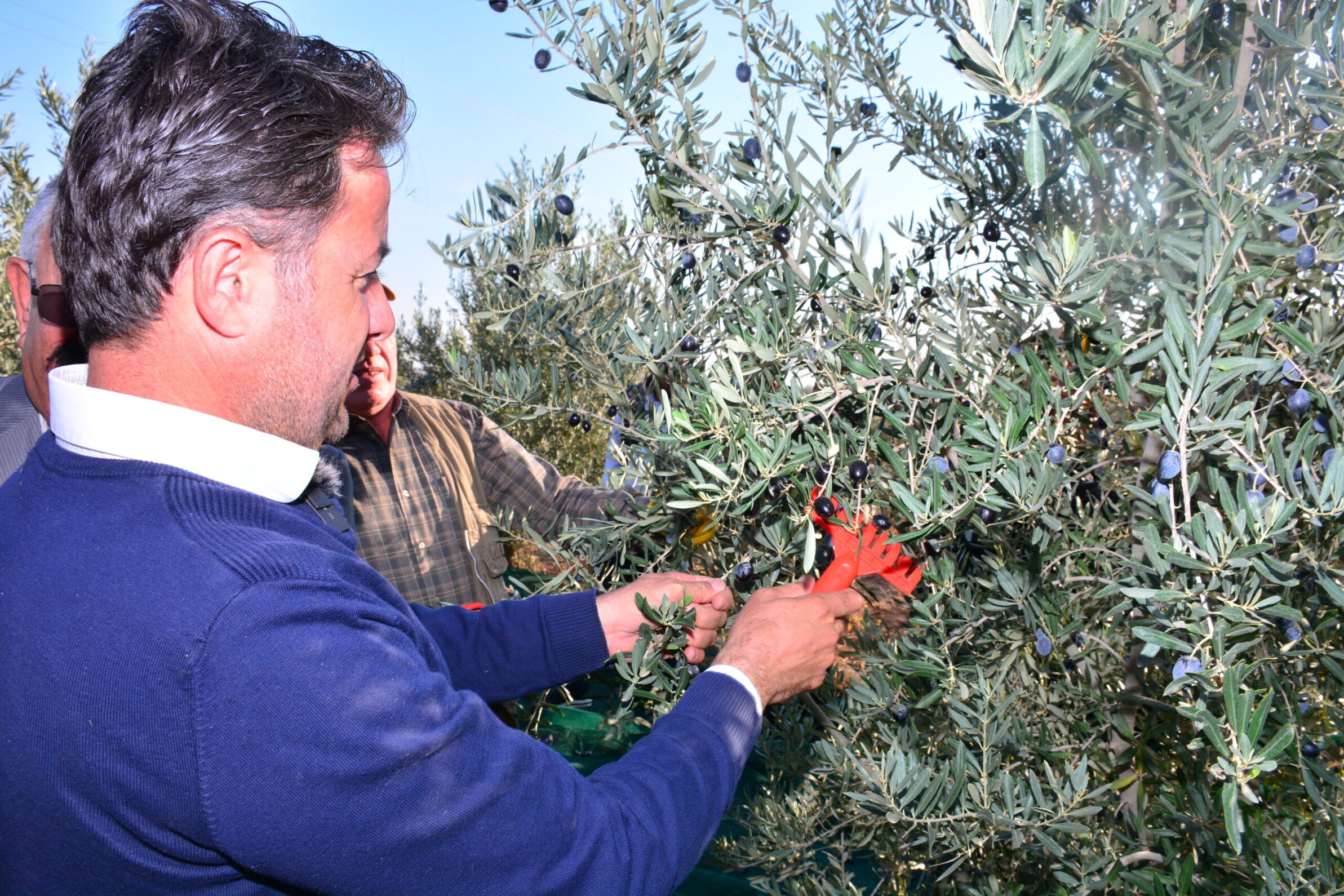
The ideal harvest time is a balance between ripeness, climate, and production objectives. When olives are pickedwhen they are green/beginning of veraison to purple , the resulting oil has a green color, a strong flavor, and high oxidation resistance. This makes olive oil from the Kurdistan Region and Iraq a promising example of excellence and quality in the region. If harvest is done later, with purple/dark olive, the amount of oil extracted increase while quality parameters (flavor, antioxidant capacity) decrease.
Fruit Ripeness and Harvest Indicators
Olive fruits go through three main stages during growth:
- Green stage: The early growth phase, characterized by firm flesh and low oil content.
- Purple (violet) stage: A transitional phase during which oil accumulation increases.
- Shiny black stage: The final stage of ripening, where fruits contain the highest oil content, though some sensory qualities decline.
The best time to harvest is when most fruits are green/beginning of veraison to purple color. At this stage, there is a balance between oil quantity and quality.
The Impact of Climate on Harvest Timing
Climate plays a key role in determining the ideal harvest period:
- Rainfed orchards: Harvest is preferred one to two weeks after the first or second rainfall to improve fruit fullness and oil quantity.
Irrigated orchards: the optimal time is decided on the base of the final product we want to obtain, if more quality or more quantity.
The KORES Project, funded by the Italian Ministry of Foreign Affairs (AICS) and implemented by CIHEAM Bari in partnership with the Kurdistan Regional Government, supports sustainable rural development by strengthening the olive oil value chain, enhancing farmers’ technical capacities, and promoting the production of high-quality, authentic olive oil in the Kurdistan Region of Iraq (KRI).