About the Project
KORES – Rural Empowerment of Kurdistan Region through Sustainable Development of the Olive Oil Value Chain
A cooperation initiative that strengthens the olive oil value chain in the Kurdistan Region of Iraq, supporting farmers, institutions, and rural communities to build a more resilient, sustainable and competitive agricultural sector.
Food Security
Climate Resilience
Olive Value Chain
Women & Youth Inclusion
Why KORES?
Why KORES?
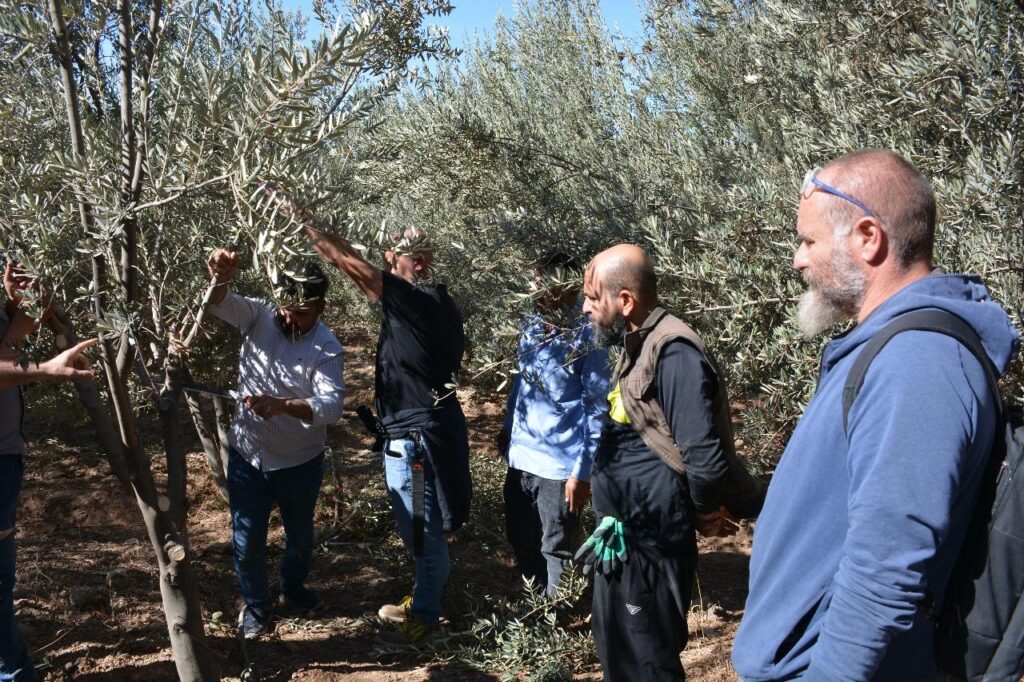
The Kurdistan Region has the natural conditions and human capital to become a leading producer of high-quality olive oil in Iraq. Yet the sector still faces important challenges: fragmented value chains, limited institutional capacity, low productivity, climate risks, and weak market linkages. The KORES Project was designed to address these gaps through a comprehensive approach that connects nurseries, farmers, processors, institutions and consumers along one coherent value chain.
Project Vision
KORES aims to contribute to inclusive economic growth and stronger agricultural resilience to climate change by developing a modern, efficient and sustainable olive sector. The project supports the transition from scattered initiatives to a coordinated value-chain strategy that improves practices, connects actors, and creates value in rural areas.
Project Strategy
The initiative combines field-level technical support with institutional strengthening, digital tools and policy dialogue. It follows CIHEAM Bari’s value-chain model, working from nurseries to orchards, mills, markets and final consumers, with a strong focus on climate-smart agriculture, quality standards and social inclusion.
Geographic Focus
Where KORES Works
KORES operates across the Kurdistan Region of Iraq, with a particular focus on the main olive-growing governorates, each offering specific agro-climatic advantages and strategic opportunities for the development of the olive value chain.
Erbil
Capital of the Region, with strong potential in sub-mountainous zones such as Shaqlawa, Koya and Soran, where olive orchards are expanding and new processing units are emerging.
Duhok
Northwestern governorate with favourable rainfall and topography, hosting promising olive areas in districts such as Zakho, Amedi and Akre, and a growing number of farmers investing in olives.
Sulaymaniyah & Halabja
Diverse landscapes and high-potential olive zones, including Halabja and surrounding districts, where important mills and nurseries operate and where the sector is rapidly developing.
Objectives
Impact & Specific Objective
Impact / General Objective: Contribute to inclusive growth, improved nutritional security and higher agricultural resilience to climate change through the development of olive production and processing industries in the Kurdistan Region of Iraq.
Outcome / Specific Objective: Enhance the capacity of Kurdish public and private actors to foster the quality and quantity of olive-culture production and to develop climate resilience and adaptive capacity along the entire value chain.
Main Pathways of Action
- Strengthening institutional capacities, policies and coordination mechanisms for the olive sector.
- Delivering high-quality technical assistance and training on sustainable practices, processing and quality control.
- Introducing digital tools, GIS mapping and carbon-footprint analysis for better planning and climate action.
- Developing branding, communication, and market access for Kurdish olive oil and value-added products.
Cross-Cutting Principles
- Gender equality and meaningful participation of women and youth.
- Environmental sustainability and climate-smart agriculture.
- Public–private partnerships and multi-stakeholder engagement.
- Evidence-based planning, monitoring and Results-Based Management (RBM).
What the Project Will Deliver
People & Partnerships
Who Benefits and Who Is Involved
Direct Beneficiaries : Farmers, nurserymen, olive mill operators, table olive processors, extension officers, research institutes, rural women and youth, and rural families engaged in olive-related livelihoods. KORES equips them with knowledge, tools and opportunities to improve productivity, quality and income.
Institutions & Partners : The project is implemented by CIHEAM Bari in partnership with the Ministry of Agriculture and Water Resources, with the support of the Italian Embassy, the Italian Consulate in Erbil, AICS Amman and other local institutions, ensuring strong ownership, coordination and long-term sustainability.
Looking Ahead
A Foundation for the Future of the Olive Sector
By the end of the project, KORES aims to leave behind a stronger institutional framework, better equipped farmers and processors, a clearer market identity for Kurdish olive oil and a set of digital and organisational tools that allow the sector to continue growing in a sustainable way. The project is a strategic step towards a future in which olive oil becomes a true driver of rural development, climate resilience and economic diversification in the Kurdistan Region of Iraq.