Why should olive tree cultivation be the first choice in Erbil’s green belt?
The decision to create a green belt around Erbil as an environmental shield was not only a wise one by the ninth Kurdistan Regional Government, but also a response to the urgent need to preserve the clean air, reduce dust, and lower temperatures. Providing a healthy living environment in Erbil is crucial because citizens from Kurdistan and Iraq come to the city for work, to live in peace and security, or for tourism. But how can this opportunity be leveraged to make Erbil a major producer of olive oil? There are many reasons why olive oil is so important, not only in the Kurdistan Region, but also in Iraq and the wider region.
There are many factors that encourage olive tree cultivation, the most important of which are:
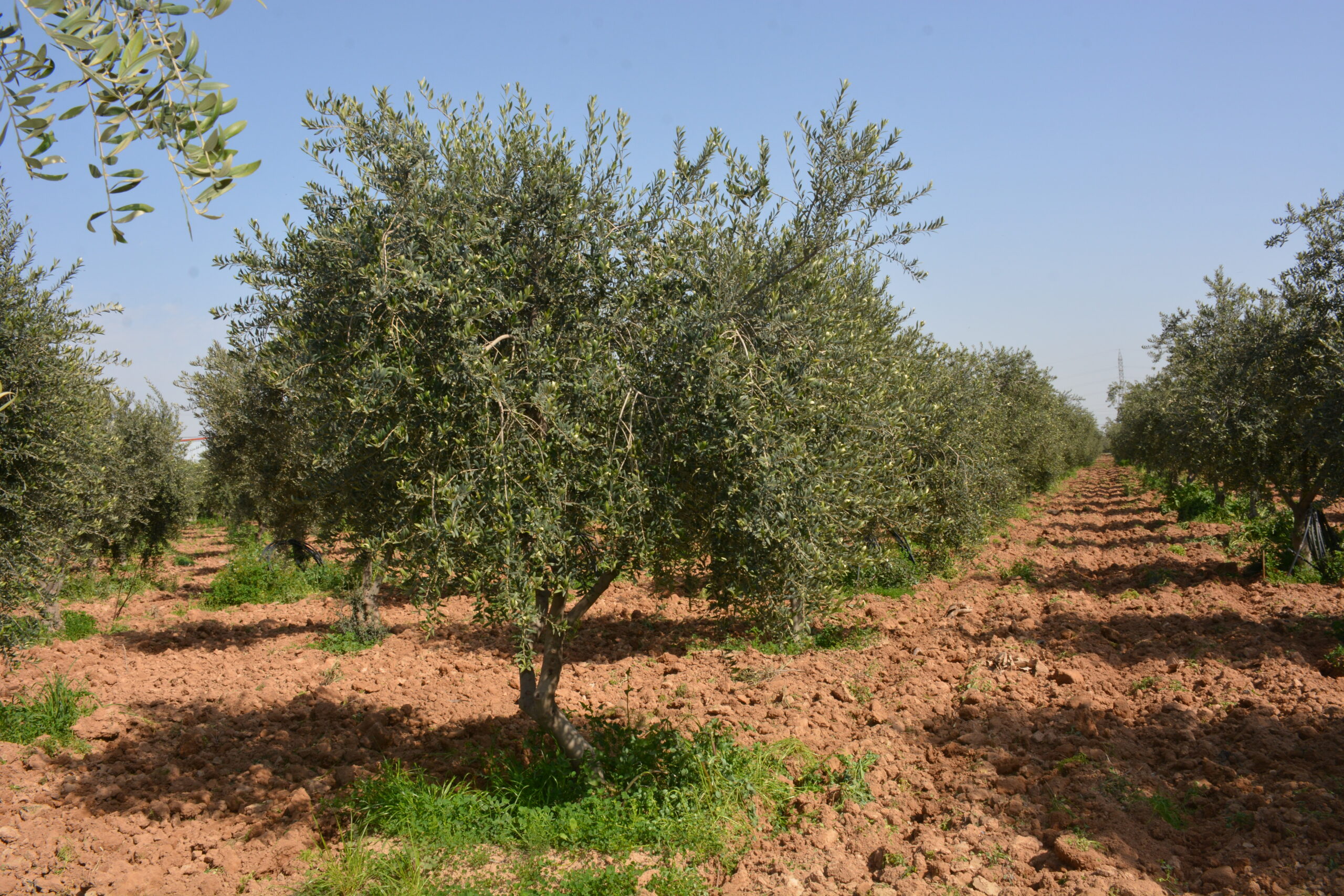
– The olive tree is well-suited to the climate of Kurdistan and is characterized by its vigorous growth.
– The olive tree is evergreen, tolerant of water scarcity, and thrives in hot and dry climates.
– This tree is known for its longevity; records indicate that it can live up to 500 years.
– The demand for extra virgin olive oil has increased due to growing health awareness among consumers.
– In addition to the green parts of the olive tree, there is a unique product used in sweetening and oil production.
– There is a skilled workforce dedicated to developing and maintaining olive trees, possessing extensive scientific expertise, particularly after their participation in the Koris project.
New statistics indicate that there are over 1,500 commercial olive groves spread throughout the Kurdistan Region. This expansion is not only a response to the growing local demand for high-quality, natural olive oil, but also an agricultural strategy adapted to climate change. The region’s harsh climate, aridity, and lower maintenance requirements compared to other horticultural crops make its soil and topography an ideal and successful choice for cultivation in the green belt surrounding Erbil. Furthermore, the Kurdistan Regional Government, through its Ministry of Agriculture and Water Resources, has given special attention to the olive sector. In cooperation and coordination with the Italian government, it is implementing the “CORIS” project, which aims to support sustainable rural development by strengthening the Kurdish olive oil value chain, developing farmers’ technical skills, and promoting the production of high-quality, virgin olive oil in the Kurdistan Region of Iraq.
Finally, I believe it is appropriate to approve the cultivation of olive trees as a successful and long-term economic option in the green belt, by forming a special committee to determine the best international varieties suitable for oil production and importing them from countries famous for olive oil production, or producing seedlings locally from varieties that have been tested in the region and are characterized by a high percentage of oil in it.

Badrkhan Muhammad Amin
Expert in the agricultural sector